Corliss Bean1, Mikayla McEwan1, Tess Armstrong1
Brock University, Canada
Citation:
Bean, C., McEwan, M., & Armstrong, T. (2026). “We can do whatever inspires us”: Using personal meaning maps to explore participants’ experiences of gender within one women-led girls’ baseball organization. Journal of Sport for Development. Retrieved from https://jsfd.org/
ABSTRACT
Girls often face barriers to meaningful sport participation, especially within men-dominated sports. Increasing inclusive sport spaces for girls is crucial for fostering enjoyment in sport. Canadian Girls Baseball is a women-led organization that offers girls-only programming and intentional leadership opportunities to encourage girls’ retention in sport. The study purpose was to explore participants’ experiences of gender within this context. Twenty-four participants (17 youth, 7 junior coaches) completed a personal meaning map and engaged in a focus group. Two themes were created: (a) gendered realities in baseball and (b) gender-inclusive sport spaces for social and personal growth. Within theme one, participants articulated exposure to women mentors and girl-identifying peers encouraged their sustained involvement in baseball and facilitated positive shifts in baseball culture, which was meaningful given previous negative experiences in men-dominated baseball spaces. Within theme two, participants outlined that being in this girls-only environment fostered connection between peers and coaches, promoting a psychologically safe atmosphere, comfort, and authentic expression. The inclusive environment fostered empowerment and personal growth. Findings extend understanding of how girls-only sport spaces can reduce gendered barriers, promote inclusion, mentorship, and meaningful participation.
INTRODUCTION
Sport has traditionally been dominated by men (Grappendorf & Burton, 2017), whereby discourses of hegemonic masculinity have been upheld. Rooted in gendered hierarchies, hegemonic masculinity privileges characteristics such as aggression, dominance, and physical prowess, particularly within the context of sport (English, 2017). Historically, sport has been shaped by socially constructed gender norms, whereby certain activities have been appropriate for either women or men (Chalabaev et al., 2013). By positioning gender as a binary system, which promotes the culturally accepted ways to be a man or woman in society, it restricts individuals’ ability to reimagine their understanding of gender and their ability to challenge traditional gender roles (Fernandez-Lasa et al., 2020). Gender consists of “the psychological, behavioral, social, and cultural aspects of being male or female (i.e., masculinity or femininity)” (American Psychological Association, 2015, p.2). Thus, gender is socially and culturally constructed, but also encompasses how individuals see themselves, how others see them, and how they approach their interactions with others (Steensma et al., 2013). Sport has historically been associated with masculinity and viewed as more appropriate for boys and men, therefore, undervaluing girls’ and women’s experiences in sport (Pavlidis, 2018). While strides have been made in pursuit of gender equity in sport, discrimination and exclusion of girls and women continue to be a barrier to achieving this goal (Jeanes et al., 2021).
Girls and women continue to experience countless barriers that limit their opportunities or negatively influence their participation in quality sport from recreational to high performance levels, such as lack of funding and media coverage, social norms, prejudices, limited women mentors and role models, and access to high quality facilities and programs (Cooky et al., 2021). The presence of boys or men has been identified as a barrier to girls’ retention in sport, often decreasing their enjoyment (Cavallin et al., 2019) and increasing feelings of isolation when entering men-dominated sports (Fernandez-Lasa et al., 2020). Carlman and Hjalmarsson (2019) explored girls’ experiences in a mixed-gendered sport program and found that girls frequently reported being criticized and feeling belittled by boys in the program who often made negative, gendered comments about girls’ ability to play sports. These gendered barriers highlight the importance of exploring how girls and women navigate their participation in men-dominated sport environments, like baseball.
Girls and Women in Baseball
Despite growing social acceptance of girls and women in men-dominated sports (Fowlie et al., 2021), their participation continues to see slower growth and lower retention rates than boys and men (Eime et al., 2022). Barriers to sport participation tend to be emphasized in men-dominated sports, such as baseball, due to hegemonic masculinity being accentuated, which can exclude the experiences and needs of girl athletes (Pankowiak et al., 2024). Girls in sport often encounter a lack of girl-identifying peers and women role models, and this underrepresentation is even more evident in men-dominated sports (Knowlton & Newland, 2024), at grassroots and elite levels of sport (Fowlie et al., 2021).
Baseball is considered a sport dominated by boys and men, reproducing heteronormative gendered divisions that have led to lower retention for girls and limited opportunities for women to get involved in leadership positions. There has been a strong resistance to girls’, women’s and gender-diverse individuals’ participation in baseball (Travers, 2013). This resistance can be seen in the perception that girls and women make the ‘choice’ to play softball, a sport that is less culturally regarded and has less opportunities to advance (Cohen, 2009). While baseball is technically an all-gender sport, girls are frequently streamlined from baseball to softball programs, which is presented as a more palatable option and reinforces girls’ and women’s exclusion from baseball (Ring, 2009). The gender disparities in baseball can be viewed across all levels. The Major League Baseball (MLB), which is the highest level of baseball, still operates as a men-only organization with limited-to-no women players, umpires, or head coaches and has been argued to normalize the masculine culture and dominance present at all other levels of play (Travers & Berdahl, 2022). To disrupt gendered divisions within baseball, it is crucial to create more accessible opportunities for girls to engage in enjoyable, developmentally enriching baseball environments, and to increase exposure to women role models in baseball (Itoh et al., 2021).
Women-Led, Girls-Only Sport
Several core elements have been identified as essential for sustaining girls’ participation in sport, many of which are fostered within girls-only sport programs. Specifically, receiving peer support, peer acceptance, and having opportunities to socialize with girl-identifying peers have been identified as key aspects associated with girls’ participation in sport (Hopkins et al., 2022). In line with this, a report produced by the Women’s Sport Foundation (2020) where over 3000 youth (7-17 years of age) and their parents were surveyed regarding child‑related, sport-related, and systemic factors expected to influence youth access, experiences, and motivations for initial and sustained participation in sport. Findings indicated that providing female role models and building close friendships and a sense of cohesion with fellow teammates were crucial factors sustaining girls in sport (Women’s Sport Foundation, 2020). Similarly, in a women-led program designed to increase physical activity engagement, encourage a positive mindset, and foster life skills, girls shared that their favourite aspect of the program was being to make friends and play with other girls (Csabai et al., 2024). Having friendships with other girls has been found to be particularly influential for girls playing men-dominated sports, leading to enjoyment and motivating them to continue playing sport (Fowlie et al., 2021). Extending this work, Bevan et al. (2021) highlighted how crucial girl-identifying peers and exposure to women mentors are for facilitating a sense of enjoyment, fostering social connectedness and keeping girls involved in sport, especially those considering dropping out.
Scholars have advocated for women in leadership positions at varying levels and across all gendered dimensions of sport, as they are often considered role models and sources of influence for other women and girls, while also facilitating social inclusion (LaVoi et al., 2019). Since the implementation of Title IX, a civil rights law that prohibited discrimination based on sex, the number of girls and women involved in sport has drastically increased (Williams & Green, 2023). However, due to this expansion and the increased professionalization of women’s sport, there has been an influx of men in coaching roles, which has contributed to fewer opportunities for women to access leadership pathways (Williams & Green, 2023). According to Stuart (2012), in 1972, 90% of women’s sports were coached by women, whereas by 2012, only 40% of women were coaching women’s sports. Despite being as qualified as their men counterparts, women in sport leadership positions continue to be underrepresented (Grappendorf & Burton, 2017). For women coaches, being accepted and respected as coaches, regardless of their knowledge and experience, remains a crucial challenge (Tjønndal, 2019). Increased visibility for women in leadership positions is critical, as it promotes coaching and other leadership positions as viable and respected professions for women by challenging gendered assumptions. According to Bevan et al. (2021), women mentors and role models can assist girls in navigating their sport involvement by modelling what continuation in sport can look like for them by reimagining gendered narratives. Additionally, girl and women athletes often perceive women coaches as easier to establish trust with and more receptive to their feelings, situations, and needs as athletes (Tjønndal, 2019).
Participating in girls-only sport programming, especially those grounded in sport-for-development principles, have been linked to several positive outcomes in youth. Sport-for-development programs often extend beyond promoting athletic skill development and foster broader psychosocial outcomes in youth (Newman, 2020). For instance, Hayhurst (2013) explored adolescent girls’ experiences in a girls’-only, sport, gender, and development martial arts program and found that, in addition to increasing their confidence, resilience, self-respect, concentration, and leadership skills following the program, participants perceived their participation in the martial arts program to challenge gender norms and hierarchies. Moreover, Collumbien et al. (2019) described a sport-based mentoring program for girls in Mumbai, which fostered a safe and socially acceptable place for participation and encouraged the development of life skills. This study highlighted the importance of girls-only environments as a source of empowerment and disrupting gender relations in sport. While these studies provide important insights, it is important to recognize the cultural norms across these African and Indian contexts may differ from how empowerment is experienced among girls in Canadian sport settings. Limited research has been conducted in this area to date. From the limited work on sport-for development programs for girls in Canada, Piché et al. (2024) found that a sport-for-development program for racialized girls was effective in fostering enjoyment, life skill development, and interest in continued participation in sport. These findings indicate the value of sport-for-development programs in providing intentionally structured environments that foster inclusion, empowerment, and life skill development for marginalized or socially excluded youth (Van der Veken et al., 2020). Girls-only initiatives, such as those offered by Canadian Girls Baseball (CGB), can serve as powerful initiatives by creating intentional spaces that center girls’ experiences, promote empowerment, and challenge restrictive gender norms.
The Case: Canadian Girls Baseball
Pavlidis (2018) argued that it is not enough to simply “make space” for girls and women in sport. Creating a sport environment where girls and women feel safe and valued requires actively challenging the power structures and cultural attitudes that marginalize them. CGB1 works to do this by offering girl-identifying youth a safe and supportive environment to play baseball, a sport that girls have historically been excluded from. CGB is one of the only girls’-only baseball programming organizations for youth ages 4-16 within Canada. This organization is women-led and provides intentional pathways for girls’ continuation in sport through their junior leadership programs, such as the coach and umpire development programs. They aim to create opportunities for girl-identifying athletes in sport and women in leadership positions by breaking down barriers on many organizational levels, fostering empowerment and mentorship, and teaching life skills. The provision of positive role models is central to CGB and is critical for girls in sport, acting as a powerful force to help youth see individuals like themselves in and around the game. This intentional element of girls and women in leadership positions aims to help foster positive relationships between athletes, coaches, and peers, while also providing pathways for girls prolonged engagement in leadership positions within sport. Moreover, a gender-based perspective was taken within this study, aligning with CGB’s commitment to inclusivity: “If you are female or identify as female, if you’re still figuring it out, we welcome you” (Canadian Girls Baseball, 2020, n.p.).
Rationale and Study Purpose
Opportunities for girls to participate in sport and quality, women-led intentional sport programming are key factors that may contribute to Canada’s goal of achieving gender equity in sport by 2035 (Canadian Heritage, 2021). CGB has been structured in a way to provide such opportunities for girls and women in baseball, with potential to foster routes to gender equity in baseball. As such, it is crucial to offer practical pathways (and conduct associated research) that contribute to inclusive programming that fosters positive experiences and prolonged participation in sport. While gendered barriers that girls face in sport have been well-recognized (Duffey et al., 2021), limited research has explored the role of girls-only sport spaces in fostering inclusion, especially using arts-based research methods, which can encourage self-expression and provide in-depth insight into participants’ experiences. Arts-based methods can be a valuable way to center youth voice in research and foster engagement and empowerment, especially among marginalized or socially excluded youth (Doucet et al., 2022; Furman et al., 2019). Arts-based methods are increasingly being used within sport, physical activity, and community-based research to explore individuals’ lived experiences and generate rich data that is less likely to be captured using traditional methods alone (Alfrey et al., 2025; Blodgett et al., 2013). Specifically, this arts-informed research study involved the use of artistic methods as a way for participants to generate data, which is subsequently analyzed in a traditional way (e.g., thematic analysis). This approach is becoming more common within research on sport (Gerber, 2022). As such, the purpose of this research was to explore girl-identifying athletes’ and junior coaches’ experiences of gender in a girls-only baseball environment within CGB using an arts-based method.
METHODOLOGY
A relativist ontology (i.e., reality is considered subjective, multiple and contextually dependent) and a social constructionist epistemology (i.e., knowledge is socially constructed) were used to guide this research (Smith & Sparkes, 2017). An intrinsic case study approach (Stake, 1995) was used to explore the experiences of girl-identifying youth within a single, women-led baseball organization. While the primary study focus was on the case itself, insights drawn from participants’ perspectives also contribute to broader discourse surrounding inclusive spaces and youth development in sport.
This study was informed by critical feminist theory, which is a framework grounded in challenging gendered power relations and promoting equity and empowerment among those experiencing oppression (Katsiampoura, 2024). Using this lens allowed researchers to capture the ways that girls experienced inclusion, belonging, and empowerment in a sport traditionally dominated by men. Additionally, a collaborative, community-engaged approach was applied to this research. Such an approach is critical and transformative, ensuring that multiple perspectives within the organization were heard, and complex, gendered, societal conditions were considered throughout (Johnson, 2017). From the initial study phases, this approach involved constant communication with organizational leads to develop a study focus that was relevant and meaningful to the organization. This study centered the lived experiences and voices of girl-identifying youth at CGB, which was reflected in the choice to use an arts-based method to encourage self-expression and empower youth.
The Research Team
As women participants in sport, and researchers and practitioners in the same context, we acknowledge how our experiences and the intersections of our identities shape our approach to this study. All authors identify as Canadian women living without a disability and have varied experiences as athletes and coaches in recreational and high-performance sport, with one author identifying as Black and the other authors as white. These qualities and lived experiences provide us with insider perspectives on the challenges faced by girl- and women-identifying youth in sport. Together, we believe that sport is a gendered site where dominant ideologies can be contested and shaped while also being used as a vehicle for personal development with intentional consideration. While our shared experiences provided us with rich insight regarding how to approach this research process, it was also important to remain reflexive to ensure our biases and perspectives did not overshadow participants’ experiences in this case.
Participants and Recruitment
Following ethics approval from the university’s research ethics board, two groups of participants were recruited from CGB: (a) girl-identifying participants aged 7-13 and (b) girl-identifying junior coaches aged 13-19. Youth participants were recruited by sharing a poster electronically through the CGB mailing list and junior coaches were recruited by attending in-person programming and sharing the poster with youth and caregivers directly. Upon expressing interest in study participation, participants’ caregivers were sent electronic consent and assent forms through Qualtrics survey platform to complete prior to data collection. Following the completion of the caregiver consent form, youth assent was then acquired. Participants over 18 years old (n = 2) were sent consent forms prior to data collection. Twenty-four girl-identifying youth from CGB (17 youth participants, 7 junior coaches) participated in this study. The average age of youth participants was 9.7 years (range = 7-12 years) and the average age of junior coaches was 15.4 years (range = 13-19). It should be noted that three junior coaches participated at CGB as both a participant and junior coach concurrently.
Methods and Procedure
Researchers used a multi-method qualitative approach to explore the gendered experiences of girl-identifying youth within CGB. Both participant groups engaged in a 2-phase data collection. First, participants engaged in a creative, research-based workshop where they created a personal meaning map (PMM) about their experiences as participants and/or junior coaches at CGB and were guided by the prompt “What does being a Canadian Girls Baseballathlete mean to me” (youth) and “What does being involved in Canadian Girls Baseball mean to me” (junior coaches). Personal meaning maps (PMMs) offer a creative, hands-on way for individuals to make connections between their concepts and ideas which can produce unique insights that may have been missed using traditional data collection methods (Silva et al., 2023). This method allowed participants flexibility to incorporate words, drawings, symbols, and other visual components to express their own personal meanings and experiences (Faria et al., 2020) related to CGBparticipation. In addition to capturing rich, in-depth insights regarding participants’ diverse experiences, PMMs have been found to increase engagement and enjoyment in research (Van Winkle & Falk, 2015). Second, participants engaged in a subsequent focus group, following PMM creation. It should be noted that to accommodate participant availability conflicts and/or comfort, in some cases 1-on-1 semi-structured interviews were facilitated instead of a focus group. Moreover, when scheduling focus groups, priority was given to group participants of similar ages. Specific details and differentiations in study protocol occurred across participant groups and are outlined in detail below. All sessions were audio-recorded.
Youth Data Collection
In the first session, data were collected virtually via Microsoft Teams across three focus groups (range 2-4 participants; Mlength = 46 minutes) and three 1-on-1 interviews (Mlength = 29 minutes). Two girl-identifying research assistants opened the session with a ‘this-and-that’ icebreaker, followed by facilitating discussion to explore participants’ experiences within sport, and specifically CGB (e.g., “What do you like about playing at Canadian Girls Baseball?”). For example, youth participants (hereafter referred to as youth) were first prompted to consider what it means to be an athlete. The personal meaning map activity was then introduced, and participants were encouraged to reflect on the topics discussed as they completed their map. Time was given during the session for participants to complete their map by hand or digitally using words or pictures that connected to the aforementioned prompt. When participants had questions, the research team was available to support. At the end of the session, participants were asked to reflect on and continue to add to their PMM over the next 2 days. A follow-up email was sent to caregivers reiterating this process, including a secure link in which youth completed PMMs were to be uploaded, and prompted them to schedule the second session. Once all PMMs were uploaded the research team created a collective PMM that acted as a first phase of data analysis and worked to encapsulate participants’ collective perspectives in one map.
The second session was scheduled between 7-10 days following the first session. Data were collected across five virtual focus groups ranging between two and four people (Mlength = 59 minutes) and one virtual 1-on-1 interview (44 minutes). The purpose of session two was to facilitate reflection and elaborate on what was discussed in session 1, including any further additions or reflections on their PMM. The collective map was presented to facilitate discussion, using prompts including: “What stands out to you?” and “Is there anything missing from this map?” Moreover, the goal of the second session was to understand participants’ gendered experiences at CGB. Specifically, participants were asked questions, including “What helps you feel included, or like you belong, at Canadian Girls Baseball?” and “What were your experiences like having women coaches at Canadian Girls Baseball?”
Junior Coach Data Collection
Data were collected across one dyadic interview with two participants and one focus group with four participants (40 minutes, 24 minutes, respectively) and 2 virtual 1-on-1 interviews (36 minutes and 42 minutes). Data collection followed the same process that took place with the youth (described above) with additional questions focusing on their role as a junior coach (e.g., “What skills did you learn as a player at Canadian Girls Baseball that helped you become a coach?”), the skills they developed themselves and aimed to foster in youth participants (e.g., “What skills do you try to instill in the younger players?”), and what it means to be a girl athlete and coach in baseball (e.g., “What qualities do you think girls and women need to be good coaches?”). Participants then transitioned to the PMM activity, while being encouraged to reflect on the topics discussed in the initial discussion. All PMMs were completed by hand given the on-site data collection. Clipboards and a variety of writing/drawing utensils were provided (e.g., markers, pencil crayons). Following the completion of the PMM sessions, participants were asked to reflect on and/or elaborate on their PMMs (e.g., “Can you share why you included [word/image] in your map?”), their role at CGB (e.g., “When do you feel good or confident in your role as a coach?”), and their gendered experiences at CGB (e.g., “In what ways does gender influence your experiences at Canadian Girls Baseball compared to other mixed-gendered organizations you have been involved in?”).
Data Analysis
Focus groups and interviews were transcribed verbatim, anonymized, and reviewed for accuracy. PMMs and transcripts were then analyzed using the six-phase process of reflexive thematic analysis (Braun & Clarke, 2019; 2024). Specifically, the first authors familiarized themselves with the interview transcripts and PMMs which included textual and visual elements (i.e., drawings, symbols). Initial codes were generated by attaching clear labels to meaningful sections of text in the transcript and PMM data. The visual elements of the PMM data were coded in relation to participants’ verbal explanations and written text when available, to emphasize moments that were meaningful and held personal significance to participants. For example, many youth drew and colored in hearts in their PMMs, which were interpreted in connection to their verbal and textual accounts of their love for and enjoyment of playing baseball within CGB. Such data informed codes related to community, sense of belonging, and empowerment.
A bottom-up, inductive approach was applied, allowing for patterns to be developed directly from the data as opposed to applying pre-defined codes onto the data. Initial themes were generated from codes that clustered together meaningfully and shared key patterns within the data. The first authors met at several timepoints throughout the analysis process to discuss and compare findings, themes, and interpretations. Both authors conducted an in-depth re-reading of the transcripts and reviewing of the personal meaning maps to refine and revise the initial themes to accurately represent the data and capture meaningful patterns related to the research question. For example, the theme “Gender-Inclusive Sport Spaces for Fostering Social and Personal Growth” was revised to not only capture the importance of a girls-only environment in facilitating social connection, but also how it fostered empowerment and personal development.
To ensure clarity, coherence, and distinctiveness for the final write-up (Braun & Clarke, 2024), themes were defined and named to reflect their core meanings. For example, the theme “Gendered Realities in Baseball” was defined to provide context on common barriers to girls’ participation in baseball settings while also capturing the ways girls disrupted gendered relations at CGB through mentorship and empowerment. Lastly, findings were written up, including excerpts from focus groups, interviews, and PMMs that captured participants’ experiences and perceptions. The researchers’ interpretations addressed issues related to power, empowerment, and resistance which are consistent with the critical feminist approach.
Study Quality
Strategies for rigor were applied throughout the entire research process, from conceptualization to interpretation procedures to manuscript writing. Given that interpretation of data is influenced by researchers’ identities (Yoon & Uliassi, 2022), our team ongoingly engaged in reflexive exercises (i.e., memos, field journals, meetings with critical friends) to reflect on and challenge personal perceptions and biases, thus increasing awareness of their potential influence throughout the research process. Methodological coherence was maintained, which ensured that there was alignment between all aspects of the research study (e.g., research questions, study design, analysis techniques; Poucher et al., 2020). Critically reflecting on the methodological choices for this study created alignment between the ontology (i.e., relativism), epistemology (i.e., social constructionism), theoretical perspectives (i.e., critical feminism), methods (i.e., PMMs and interviews), and analysis procedures (i.e., reflexive thematic analysis). Additionally, multiple methods of data collection and sources of data (i.e., triangulation; Tracy, 2010) were used to explore the various perspectives of youth in CGB. The purpose of collecting multiple forms of data was not to draw one conclusion regarding participants’ experiences, but rather to deepen understanding of participants’ diverse experiences using multiple data sources. Finally, pseudonyms were used to ensure participants’ anonymity and are used alongside their quotations.
FINDINGS
The findings are organized into two themes based on the analyzed data: (a) gendered realities in baseball and (b) fostering an inclusive sport environment.
Gendered Realities in Baseball
This theme reflects how participants made sense of their experiences within baseball, a historically men-dominated sport that offers limited safe spaces for girls and women to engage. Participants discussed two aspects related to their gender that played a critical role in shaping their playing and coaching experiences within CGB: (a) baseball culture and (b) importance of women mentors. The girls-only nature of CGB became a safe space for girls to challenge gendered norms. Given their previous negative experiences in men-dominated baseball spaces, and in sport spaces more generally, participants shared how impactful it was to be surrounded by other girls and women mentors.
Baseball Culture
Participants perceived the men-dominated nature of sport, and specifically baseball, to contribute to common attitudes, team dynamics, and norms that excluded girls and women from the sport. Many participants spoke of starting to play within CGB because of negative experiences (e.g., feeling excluded) when playing in boy-dominated baseball environments. Zara shared that she was teased and felt excluded when playing baseball with the boys at her middle school, while Jasmine discussed that boy-identifying teammates on her previous baseball team “went behind my back saying I don’t want her to bat because she’s not good enough. And I said no, no, you know what? That’s rude…any gender can play baseball even if I’m not a boy. I still can play baseball.”
Figure 1 – Summer’s personal meaning map

When asked what comes to mind when thinking of girls participating in sport, many participants used adjectives or verbs with negative connotations, including “difficult”, “harder”, “unfair”, “not as much attention as boys,” and “having to prove yourself.” For example, Vanessa explained that when playing on a mixed-gendered team, “it’s difficult to get into the headspace where you’re not going to be passed to because you’re not valued on the team.” When asked what she meant by girls having to “work harder in sport”, April confessed: “a lot of people think women aren’t supposed to be doing sports, so we have to work harder. There should be not just CGB, but more—lots more. If boys can play, why can’t girls have lots of opportunities?” Similarly, in her interview, Samira discussed her negative experiences playing sports with boys and shared: “I want to play on a boys’ team2, but I know better than that. I’ve tried it before with football and basketball – they never take me seriously. They never passed to me, even if it meant losing a point.” Summer perceived the sport environment to be different and less enjoyable when playing baseball with boys. In her PMM, Summer wrote that, “boys are different from girls, they’re generally more competitive and aggressive” (Figure 1). Prior to playing with CGB, participants recalled having to “settle” with being one of the only girls on a boys’ team due to the limited opportunities for girls to get involved in the sport. For example, Rhea, a junior coach, shared that she often felt uncomfortable playing on teams with boys when she was younger as it did not feel inclusive: “It’s scary going to play with guys when you’re nine…I don’t wanna be the only girl, I want a friend.” Rhea articulated how she perceived baseball’s sport culture to be different compared to other sports that she participated in:
It’s very interesting to see the contrast because in dance, men are so encouraged to be in it… you’re gonna be front and center in the dances because they want to keep guys in dance, whereas being the only girl on a boys’ baseball team, you’re looked down upon.
Finally, Samira spoke of feeling the need to prove herself being on a “team with boys because I’m holding them back.” She went on to say:
It’s like they think ‘ohh, she’s already on this team…she should at least do something. And that actually messes up your brain because when you hear that stuff, it brings yourself down. Now I’m on a girls’ team and it’s a lot different. I feel like really happy. It’s really good for your brain…it’s been really good for me.
Despite participating in an all-girls environment, junior coaches discussed how even within this context, they experienced pushback from men-identifying parents. Specifically, Rhea discussed how she developed strategies to advocate for herself and manage pushback:
It’s a lack of respect. We’ve had some great parents, but there’s a lot of parents where you have to ask them to back off because they think you don’t know how to teach someone how to throw a ball [because you’re a girl], which can be incredibly frustrating…it has disproportionately come from grandpas or male family members. I don’t want to come across as mean, but you have to be firm in setting your own boundaries.
Importance of Women Mentors
For most participants, the exposure to women mentors and girl-identifying peers in a baseball setting was a predominant reason they valued their participation in CGB. Participants perceived their participation to contribute to positive changes in baseball culture through the mentorship opportunities offered internally. For example, Amelia and Summer highlighted the value of having women in leadership positions within CGB: “it shows that women can do what men do and sometimes better” (Amelia) and “it’s important to have women doing jobs that you usually see men doing” (Summer). Similarly, Renee wrote the word “awesome” beside a picture of two girls/women who had the word “umpire” written on their shirt (see Figure 2), illustrating her appreciation for having girls and women in this leadership position within the sport of baseball. Youth also spoke of the value of seeing women as good athletes, like Vanessa: “opportunities to get further in the sport and to get really good….we’ll play games against the coaches…it’s amazing to see how good they are and think about how that could be you.”
Figure 2 – Renee’s personal meaning map

Rarely having a woman mentor or coach before joining CGB was a common experience shared by many participants. They articulated how impactful it was to have women representation in baseball and how it encouraged girls to get involved and stay in sport. In her PMM, Shayla wrote “I tried baseball because my mom plays it” and drew a large red heart around the statement. When asked what it was like to have women coaches, Kassandra and Holly responded respectively: “I like that there was someone to look up to” and “it was easier, you feel more comfortable to talk to them and they understand what you’ve been through in sport since they probably did the same thing themselves.” Many junior coaches also recognized the value of the women-led organizational structure CGB offered. In their PMMs, two junior coaches wrote “being a part of something bigger and changing the game” (Michelle; Figure 3) and “breaking the glass ceiling, [being] progressive and making a difference in younger girls’ lives” (Zara) were significant aspects of their involvement in CGB. Finally, Rhea acknowledged how pivotal it was for her to have women mentors in baseball as it inspired her to pursue a career in baseball:
I grew up with a lot of male coaches. Then the first time I had a female coach in a serious baseball setting, I was like, this is amazing! I can do it—opening my eyes to the world of Canad[ian] baseball for girls as a whole was something I didn’t know was a possibility.
Figure 3 – Michelle’s personal meaning map

Gender-Inclusive Sport Spaces for Fostering Social and Personal Growth
This theme highlights how the girls-only environment within CGB contributed to girls’ sense of belonging, acceptance, emotional safety, and ability to authentically express themselves. Participants’ experiences in CGB were characterized by (a) friendship and connection, (b) comfort and expressing authenticity, and (c) empowerment and growth. The girls-only environment helped dismantle common barriers that girls often experience in sport, including feeling excluded and pressured to prove themselves in men-dominated environments. Being immersed in a girls-only baseball space fostered a safe and supportive environment that encouraged relationship building and the development of psychosocial skills.
Friendship and Connection
An important aspect of participating at CGB was that that being in a girls-only sport space made baseball participation fun and encouraged friendship building which facilitated a positive sport environment where participants felt accepted and included to play a sport they enjoyed. Within their PMMs, many participants drew pictures to illustrate moments or program aspects that were enjoyable or meaningful to them. In every PMM where a participant chose to share their thoughts and experiences through photos or symbols, one or more hearts were drawn to illustrate their love for their involvement in the organization. For example, Ava drew a big heart at the center of her page, Jamie drew five hearts within a drawing of a baseball, and Holly drew 10 hearts spread across her page. There was often a quote associated beside or within the hearts that related to social connection (e.g., “I love girls’ baseball,” “I tried baseball because my mom plays it”). Youth often included a stick figure of a girl playing baseball or a bat and/or ball in their maps. Sometimes these drawings were in isolation, other times they were used in combination with words or phrases (e.g., “Having fun”).
Moreover, in the PMMs, participants shared that “getting to know teammates on a deeper level”, “friends(hips)”, “being a part of a community”, and “feeling a stronger friendship between me and my friends” were important aspects of their participation. Olivia noted that her favourite part of participating was her teammates and described that: “Being a good teammate does not always mean the same thing as learning how to play as a team…those are two different things.” Rhea, a junior coach, acknowledged how coaching and playing for an organization that openly encouraged building relationships with peers made her feel more included than when she played in leagues with boys: “It’s really noticeable when I’ve coached or I’ve even played in a boys’ league—it’s more skill focused and less of team building and fun environment.”
Uniforms were also highlighted as fostering a sense of connection. Some youth depicted drawings of CGB-specific jerseys alongside phrases (e.g., “I liked my shirt,” “stuff to show off your team spirit”). While the incorporation of these drawings does not directly indicate team cohesion, participants outlined that team-related apparel held personal significance for many youth, reinforcing a sense of connection to others in their program. For example, when following up with Juliet about why she felt “connected” in CGB, she described: “Each team has a different color uniform. It makes me feel like I belong… feel included and a part of something; we’re all wearing the same jerseys, so we’re united together [as an organization].”
Comfort and Expressing Authenticity
Participants discussed how being in a girls-only baseball program made it easier for them to relate to their peers and coaches which facilitated a safe sport environment. In their PMMs, youth wrote “I feel more comfortable when there are girls there” (Maya) and “having a woman coach means that I can feel comfortable with talking to her” (Holly). When asked what it was like to have women coaches at CGB, Vanessa shared “I feel like because they are women, it feels more comfortable and they’re kind of like an older sister.” Similarly, Olivia shared “I find I can be more open and more like myself since I’m on a girl’s team. It also makes it easier in my opinion because we understand each other’s problems too.” When asked what it means to be comfortable within the CGB environment, Holly responded “that you connect with others, learn to be confident and to be physically active in Canadian Girls Baseball.” When asked what skills girls and women need to possess to coach, Zara, a junior coach responded with “being relatable.” Some youth shared how being surrounded by girl-identifying peers at CGB provided them with a safe space to make mistakes and be themselves. For example, in her PMM, Maya wrote “if you make a mistake, the coaches are always there to help you.” When sharing what she enjoyed about her involvement, Mercedes noted: “it’s inclusive and everybody was so energetic and welcoming. I always felt safe and could express who I was around the other girls.” Finally, Samira outlined that being a part of CGB meant “getting to do what you love and getting to learn how to do it (baseball)…it means to get better in a safe space where you can truly be yourself.”
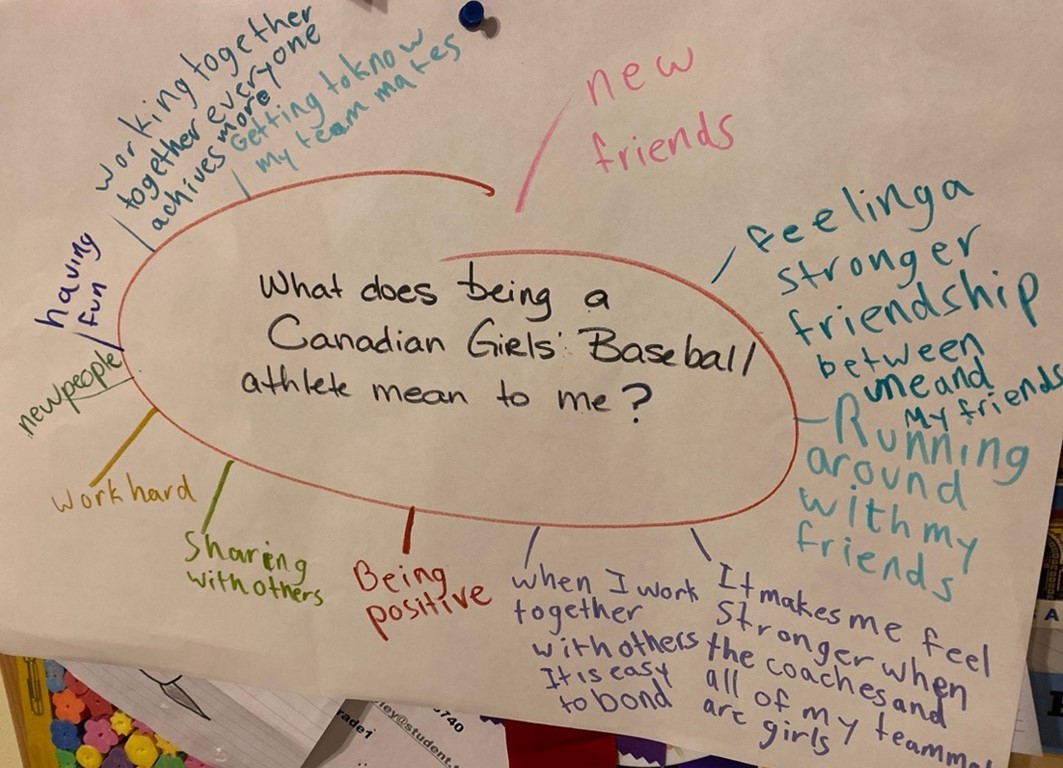
Figure 4 – Chantelle’s personal meaning map
Empowerment and Growth
Almost all participants shared how being in a girls-only baseball environment made them feel empowered, as two youth participants highlighted: “having women as coaches makes me feel happy…like it’s telling me we can do whatever inspires us” (Rachel) and “it makes me feel stronger when the coaches and all of my teammates are girls” (Chantelle; Figure 4). When asked when she felt most confident playing baseball, Vanessa responded: “when I’m cheering on one of my teammates or they’re cheering me on. It makes you feel powerful, like ‘you can do it’!” When describing her involvement in CGB, Summer shared “it’s empowering because it shows that girls can be athletic and good at sports.” Similarly, when asked what she learned playing baseball within CGB, Holly spoke about being able to “prove myself worthy and be able to actually play… you’re not just picking up a bat and swinging, you can actually play and you’re able to prove to myself and others.” Rhea shared that her positive experiences with women mentors motivated her to become a coach to continue this sense of empowerment:
I’ve watched my mentors and coaches….I want to do that one day and empower all the girls that are younger—it’s just really nice. I wanted to take that opportunity to pass on my knowledge, and my skills as well, and keep it going.
Similarly, Mercedes spoke of this mutually beneficial sense of empowerment she felt in her role as a junior coach:
I can’t comprehend how much of a leader I’ve been to them; it’s helped me reflect on how many little players – I don’t think it’s ever gonna hit me how much I’ve been a role model to them, or how much I’ve taught them and influenced them.
Participants also spoke of how their participation in CGB fostered a sense of personal growth and development. Many junior coaches included phrases in their PMMs, like “continuing my journey through this program” (Katherine), “personal growth and new skills” (Jasmine), and “teaching, learning, learning from mistakes, and getting feedback” (Mercedes). Many junior coaches spoke of being able to refine their leadership qualities through coaching which fostered a sense of empowerment: “the more time I spent with the organization and the more leadership opportunities that I got, the more confident I began to feel to the point where I was able to coach by myself” (Mercedes) and:
If a child is struggling to bat or catch and then when you see them finally do it, I feel accomplished. I like teaching them. I like when they actually do it. And I like being in charge of parents because they think they know everything and they don’t and then when I proved them wrong, it’s hilarious (Katherine).
Several junior coaches articulated that seeing youth improve on the diamond, initiated feelings of accomplishment and competence. Zara noted that she enjoyed providing players with a safe space to make mistakes and express their feelings:
I really like when a kid can’t do something and you let them know that it’s okay and it takes time. A lot of them think that you have to do something so fast and so perfect. It’s good to know that you have a voice and that it’s okay, you don’t have to be perfect.
Most junior coaches also recognized their role of teaching youth more than just baseball skills, but life skills as well. They spoke of trying to incorporate life skill teaching into their coaching philosophy. For example, Rhea discussed how she wanted her life skill teaching to have a lasting impact on the youth that she coached at CGB:
Empowering young women and girls not only through baseball, but through the life skills sports teach. Giving girls confidence to enter male-dominated spaces and stand up for themselves, teaching athletes how to be leaders by treating everybody equal, providing equal opportunities. Then giving back to a community that provided so much for me.
DISCUSSION
Willis (2000) posited that sport can provide a unique opportunity to facilitate change, including challenging gendered assumptions and patriarchal structures. The creation of CGB was to do just that. This arts-informed research study aimed to explore how girl-identifying youth participants and junior coaches navigated their experiences of gender in a girls-only baseball environment. To our knowledge, this is the first study that has captured the experiences of girl-identifying youth in the baseball context. In exploring their lived experiences through textual excerpts from the interviews and PMMs, as well as the visual elements depicted in the PMMs, researchers found that the girls-only environment at CGB was a pivotal factor in fostering inclusion, sense of belonging, and connection among girls, crucial elements that were often reported absent from mixed-gendered or boy-dominated sport spaces. Moreover, the supportive and inclusive nature of the organization made participants feel valued within the community and more comfortable expressing themselves. Further, being immersed in an environment that felt safe and provided access to girl-identifying peers and women mentors made participants feel empowered and fostered personal growth. While previous studies have documented the various barriers that girls face when accessing sport, limited research has focused specifically on how girls experience and navigate a girls-only sport environment, particularly in a Canadian sport-for development context. Through centering the experiences of girl-identifying youth and junior coaches, this study produced rich and nuanced insights on how inclusive and high-quality programming in a girls-only environment can disrupt harmful gendered relations, encourage positive development, and foster empowerment. In the following sections, we discuss how this study relates to previous research and outline implications.
Participants outlined their experiences navigating the gendered culture of baseball, and sport more generally, while also highlighting the importance of women mentors in creating transformative shifts in sport culture. Participants often recalled feeling excluded or being teased by boys in mixed-gendered or boy-dominated sport and baseball environments. When playing sports with boys, participants described feeling like they had to “work harder” to prove themselves and normalized being treated differently than the boys. These findings reflect patterns reported by Carlman and Hjalmarsson (2019) who evaluated a mixed-gendered sport-for-all program and found that boys produced harmful gender stereotypes about girls’ abilities to excel in sport, often bullying them and excluding girls from playing. Girls’ and women’s experiences in sport continue to be shaped by feminine ideals, including fragility and inferiority, that have been constructed by historical and sociocultural constructions of gender (Clark, 2019). From a critical feminist perspective, these findings demonstrate the ways that sport continues to be a gendered institution where gender inequalities are manifested and reinforced (Persson, 2023). Deconstructing the discriminatory structure and culture present within all levels of baseball is necessary to overcoming the gendered division in the sport, and increasing the prevalence of women and gender diverse leaders can reshape narratives surrounding inclusion in the sport (Travers & Berdahl, 2022).
While Pavlidis (2018) discussed the importance of moving beyond making space for girls and women in sport, CGB worked to create a structure and pathways where girls and women feel safe, valued, and were able to lead. Specifically, Marra (2015) spoke of the importance of (a) self-organization: recognizing that individuals and groups need to have the capacity to engage in programming and (b) embeddedness: the role of relationships in generating trust and sustaining desired behaviors in the contextual environment when it comes to evaluating programs related to gender equity (Marra, 2015). Based on the study findings, CGB seemed to have the internal capacity to support gender equity in programming through quality relationships, which together, fostered empowerment and contributed to shifts in gendered norms within baseball. Such findings contradict findings from Jeanes et al. (2021) who explored the gendered complexities and norms of a community-based football and net club that was originally a men’s club that later expanded its programming to include women’s teams. Within Jeanes et al.’s work, the men at the club perceived the club’s expansion to foster an inclusive and friendly environment, the women athletes still perceived gender hierarchies to be present which disrupted their sense of belonging within the club.
Despite this, some junior coaches still experienced gendered resistance in their role. This finding illustrates the potential of intentionally structured girls-only programming in supporting social changes at localized and relational levels, even while broader structural inequalities still exist. Drawing on a feminist perspective, Shaw and Frisby (2006) argued that changes contributing to gender equity in sport can be uneven across organizations and are often restricted by structural and cultural conditions. As such, gender equity initiatives at organizational and relational levels cannot be understood in isolation, as they exist within broader systems of power that shape and limit possibilities for change. Participants in this study perceived their involvement in CGB to create shifts in a traditionally men-dominated sport by creating opportunities for sport continuation and exposure to women mentorship. At the same, some junior coaches experienced their authority being questioned by men family members of the youth they coached. These findings are similar to previous literature on how women community sport coaches often have to prove their worth to men coaches, players, and parents (Hoye et al., 2025). Similarly, in a study from Stone et al. (2024), women in sport leadership positions frequently expressed being met with combative behavior from men colleagues and coaches despite succeeding in their positions. While increasing women’s representation in leadership positions is important for modeling sport continuation and normalizing women’s involvement in sport, it is crucial to acknowledge that there are still systemic barriers upheld that restrict widespread equitable practice.
This research provided an enhanced understanding of how valuable exposure to women and girl-identifying peer mentors can be, as many participants perceived this opportunity to be a crucial factor in reshaping gendered narratives of girls in baseball, and sport more generally. Prior to being involved in CGB, many participants recalled rarely or never having a woman mentor in baseball. For several participants, seeing women in leadership positions reinforced the idea that girls belong in sport and motivated them to continue their involvement in baseball. Elliott et al. (2020) explored girl athletes’ participation and retention in football and concluded that several girls decided to participate in the sport because they found inspiration and a sense of belonging through identifying with women role models. From the same study, many girls shared that they were motivated to participate in football so they could join a ‘sisterhood’ that would challenge societal and cultural perceptions of girls in sports traditionally dominated by men. Similarly, providing girls with a safe space with access to women mentors not only challenged restrictive gender roles, but also prompted the development of new norms in the community that encouraged girls’ agency and personal development (Collumbien et al., 2019). Moreover, findings from this study reinforce Tjønndal’s (2019) research whereby having women coaches aided with feelings of safety, trust, and belongingness. The increased representation of women mentors in CGB motivated participants to continue playing baseball, and for some junior coaches, it inspired them to be part of changing the narrative in baseball. These findings reinforce existing evidence that identified mentorship as a key factor in advancing women in leadership positions and resisting gendered norms in sport (LaVoi et al., 2019), especially in those typically dominated by men (Figueroa & Roper, 2023).
This study also offers a new perspective on the value of inclusive and safe sport programs for girl-identifying youth. The girls-only environment within the organization was described as a sport space where participants felt safe, supported, and respected, which facilitated social connection, empowerment, and personal growth. Several participants spoke about how the girls-only environment made them feel like part of a community based on the emphasis on relationship building and enjoyment. These findings echo previous studies that have identified enjoyment as a crucial factor in maintaining girls’ retention in sport (Litchfield & Elliott, 2021). The inclusive and supportive environment at CGB made participants feel safe making mistakes and more comfortable expressing themselves. This study provided a nuanced understanding of how establishing girls’ inclusion in sport is not simply achieved by ‘allowing’ girls to participate in sport but rather creating or transforming sport spaces that actively dismantle cultural norms and encourage feelings of belonging (Timperley & Phillips, 2021).
The safe, supportive nature of CGB and the unique opportunities it provided contributed to participants personal growth and positive developmental outcomes, including confidence, competence, and leadership. Many junior coaches expressed feelings of enjoyment and accomplishment when providing youth players with a safe space to express themselves and learn life skills. These findings reinforce existing evidence suggesting that intentional leadership opportunities and pathways (i.e., junior coach) can create mutually beneficial opportunities, including supporting personal development, relatability, and enjoyment in sport (Shaikh & Forneris, 2018). In both sport and non-sport contexts, offering opportunities to engage in leadership training and/or programming have been effective in developing positive outcomes in youth, including confidence, social awareness, and personal responsibility (Puxley & Chapin, 2021; Shaikh et al., 2019).
Being immersed in an environment with girl-identifying peers and women mentors was empowering for participants’ which made them feel competent in their athletic abilities and inspired them to reimagine understandings of gender in sport. Participants shared that being in a girls-only environment made them feel stronger, confident, and powerful. These findings are aligned with previous research demonstrating that girls’ and women’s sport participation can be an act of resistance to gendered norms, especially in men-dominated sports (Ekholm et al., 2019), such as baseball. Fernandez-Lasa et al. (2020) argued that playing men-dominated sports can provide women with opportunities to reject gendered stereotypes which can empower girls and women to reimagine what it means to participate in sport. From a critical feminist standpoint, these findings illustrate how empowering girl-identifying youth and giving them a voice can contribute to their inclusion and belonging in sport (Katsiampoura, 2024). Several junior coaches spoke about how their leadership role not only fostered empowerment in the youth athletes they coached, but also that it made them feel empowered as well, which was a motivating factor to continue coaching. These findings contextualize research from Streetman and Heinrich (2024) that argued that sport participation has the potential to elicit empowerment not only through increasing girls’ self-esteem, but through combating gender stereotypes, promoting leadership, encouraging collective action, and creating structural changes in sport.
Implications
Study findings may have important practical implications for coaches, sport program coordinators, and other interested sport parties. Specifically, findings reveal the potential of community sport spaces in developing girls’ and women’s personal fulfillment, self-esteem, and motivation to continue sport participation, despite experiencing gendered challenges (Timperley & Phillips, 2021). Moreover, given the limited representation of girls and women in leadership positions in baseball, and sport more broadly, these findings highlight the value of creating intentional and visible pathways, such as junior coach programs, to keep girls and women involved in sport. Having women in sport leadership positions is not only valuable for girls and women, but also for boys and men to normalize women’s involvement in sport and contribute to shifts in sport culture. Increasing the presence of women sport leaders, who can become role models, offer social support, and advocate for girls and women, are necessary to disrupt gendered power dynamics and increase gender equity (Timperley & Phillips, 2021).
These findings, and the associated CGB structure, can inform the development of more equity-driven, gender inclusive guidelines for sport organizations to cultivate environments that foster girls’ and women’s belonging in sport. This could include creating or re-designing existing programs and facilities to include safe spaces for girls to access sport and providing equal opportunities for girls to advance within mixed-gendered sport organizations. Moreover, while CGB was a positive and valuable environment for participants to develop fundamental baseball skills, limited opportunities were available to play at the competitive level. This study supports the value in creating more competitive girls-only opportunities in baseball, as well as other men-dominated sports, as providing girls with a safe and inclusive environment may increase their retention in sport and facilitate positive outcomes. Additionally, the insights from this study can be used to inform educational and training materials for coaches, parents, and other community sport parties on encouraging gender-inclusive practices. Increasing awareness on topics including gender bias and inclusive language may be useful in disrupting gendered power dynamics within sport. Lastly, this study may inform new ways to measure and understand the effectiveness of inclusion initiatives in sport (Timperley & Phillips, 2021). Given that allowing girls and women space to participate in sport does not necessarily equate to their feelings of belonging (Pavlidis, 2018), it may be valuable to focus on how sport programs can foster belonging, sense of community, and empowerment to make girls and women ‘feel’ included in sport.
Finally, this study has methodological implications about the use of personal meaning maps as a source of data. While not a main purpose of the study, engaging in this process was well-received by participants, as it encouraged meaningful self-reflection and increased their enjoyment in the research process. When discussing the process of completing their maps, participants shared statements including, “I feel like I’m doing something productive,” “I was able to express myself,” “It made me think about my past experiences which was nice to remember,” and “I wish we could do something like this every day… I’m really having fun.” While youth are often the focus of research studies, their voices and perspectives are not always amplified (Stride et al., 2022). Incorporating PMMs into youth-focused (and specifically with girls and gender diverse youth) research in sport and physical activity can offer a creative, hands-on approach that reinforces youth as agents of knowledge and centers their perspectives, aligning with the critical feminist standpoint of empowering marginalized voices.
Limitations and Future Directions
Study limitations must be acknowledged to provide a foundation for the direction of future research. The current study produced novel contributions by exploring girls’ experiences within a girls-only baseball environment, a sport under-researched in connection to girls and women. Future studies should not only aim to explore gendered experiences within baseball, but also address the limited work done on gendered sport spaces more generally as gendered power dynamics and ideals are aspects that permeate throughout all sport. While this organization is a nationally-reaching organization, participants were involved in programming from one major city in Ontario. As such, future research is needed to understand participants’ experiences within CGB nationally. Moreover, while all youth participants recalled very positive experiences at CGB and felt supported, there were some junior coaches that experienced pushback from men family members of the youth they coached. Future research could explore how youth and their women coaches perceive gendered dynamics differently, which could provide insight into the disconnect between youth and junior coaches’ experiences. Additionally, as all participants in our study self-identified as cis-gender; however, some participants acknowledged the fluid nature of gender by indicating “any gender can play baseball.” As such, future research could benefit from examining how gender is conceptualized by youth in through traditionally men-dominated sport spaces, as exploring these perspectives and conceptualizations can provide critical insight to how heteronormative gendered norms affect youth experiences. Additionally, in exploring girls’ gendered experiences, participants spoke of growth and development, including confidence and leadership. Future research is needed to explore the role of girls-only or women-led environments in shaping youth athletes’ psychosocial development. Finally, although this study gathered data at two timepoints and relied on recall of participation over many years, future research would benefit greatly from longitudinal qualitative research that continues to center participant voices, such as the use of digital storytelling or timelining that explore participants’ social worlds and lived realities over time.
NOTES
1 CGB waived their right to anonymity for this study.
2 Participants often refer to ‘boys’ baseball’, ‘boys’ sport’, or a ‘boys’ team’, which referred to mixed-gendered sport spaces with predominately boy-identifying participants.
REFERENCES
Alfrey, L., Quarmby, T., & Hooper, O. (2025). Using arts-based methods to support embodied research with children and young people in physical education. Journal of Teaching in Physical Education, 44(4), 791–801. https://doi.org/10.1123/jtpe.2023-0319
American Psychological Association. (2015). Guidelines for psychological practice with transgender and gender nonconforming people. American Psychologist, 70(9), 832–864. https://doi.org/10.1037/a0039906
Bevan, N., Drummond, C., Abery, L., Elliott, S., Pennesi, J. L., Prichard, I., Lewis, L. K., & Drummond, M. (2021). More opportunities, same challenges: Adolescent girls in sports that are traditionally constructed as masculine. Sport, Education and Society, 26(6), 592–605. https://doi.org/10.1080/13573322.2020.1768525
Blodgett, A. T., Coholic, D. A., Schinke, R. J., McGannon, K. R., Peltier, D., & Pheasant, C. (2013). Moving beyond words: Exploring the use of an arts-based method in Aboriginal community sport research. Qualitative Research in Sport, Exercise and Health, 5(3), 312–331. https://doi.org/10.1080/2159676X.2013.796490
Braun, V., & Clarke, V. (2019). Reflecting on reflexive thematic analysis. Qualitative Research in Sport, Exercise and Health, 11(4), 589-597. https://doi.org/10.1080/2159676X.2019.1628806
Braun, V., & Clarke, V. (2024). Supporting best practice in reflexive thematic analysis reporting in palliative medicine: A review of published research and introduction to the Reflexive Thematic Analysis Reporting Guidelines (RTARG). Palliative Medicine, 38(6), 608–616. https://doi.org/10.1177/02692163241234800
Canadian Girls Baseball. (2020). Changing the Game: Empowering girls through sport. Retrieved from https://www.canadiangirlsbaseball.com/
Canadian Heritage. (2021, July 29). Supporting gender equality in sport. Government of Canada. https://www.canada.ca/en/canadian-heritage/news/2021/07/supporting-gender-equality-in-sport.html
Carlman, P., & Hjalmarsson, M. (2019). A sport for all programme in school: Girls’ experiences. Sport in Society, 22(3), 416–431. https://doi.org/10.1080/17430437.2018.1490268
Cavallin, S., Bennie, A., & George, E. (2019). Exploring the barriers and facilitators to school and club sport participation for adolescent girls in Greater Western Sydney. Journal of Science and Medicine in Sport, 22, S80–S80. https://doi.org/10.1016/j.jsams.2019.08.084
Chalabaev, A., Sarrazin, P., Fontayne, P., Boiché, J., & Clément-Guillotin, C. (2013). The influence of sex stereotypes and gender roles on participation and performance in sport and exercise: Review and future directions. Psychology of Sport and Exercise, 14(2), 136–144. https://doi.org/10.1016/j.psychsport.2012.10.005
Clark, A. (2019). Exploring women’s experiences: Embodied pathways and influences for exercise participation. Societies, 9(1), 16-21. https://doi.org/10.3390/soc9010016
Cohen, M. (2009). No girls in the clubhouse: The exclusion of women from baseball. McFarland.
Collumbien, M., Das, M., Bankar, S., Cislaghi, B., Heise, L., & Verma, R. K. (2019). Practice-based insights in developing and implementing a sport-based programme for girls. Development in Practice, 29, 53–64. https://doi.org/10.1080/09614524.2018.1520810
Cooky, C., Council, L. D., Mears, M. A., & Messner, M. A. (2021). One and done: The long eclipse of women’s televised sports, 1989-2019. Communication & Sport, 9(3), 347–371. https://doi.org/10.1177/21674795211003524
Csabai, B., Pollard, B. A., & Woodruff, S. J. (2024). Perceived physical competence, self-esteem, and leadership among girls: A program evaluation of GOALS (Girls Organizing and Learning Sport). Adolescents, 4(1), 14–27. https://doi.org/10.3390/adolescents4010002
Doucet, M., Pratt, H., Dzhenganin, M., & Read, J. (2022). Nothing about us without us: Using Participatory Action Research (PAR) and arts-based methods as empowerment and social justice tools in doing research with youth ‘aging out’ of care. Child Abuse & Neglect, 130(1), 1–10. https://doi.org/10.1016/j.chiabu.2021.105358
Duffey, K., Barbosa, A., Whiting, S., Mendes, R., Yordi Aguirre, I., Tcymbal, A., Abu-Omar, K., Gelius, P., & Breda, J. (2021). Barriers and facilitators of physical activity participation in adolescent girls: A systematic review of systematic reviews. Frontiers in Public Health, 9, 1-14. https://doi.org/10.3389/fpubh.2021.743935
Eime, R., Harvey, J., Charity, M., & Westerbeek, H. (2022). Participation of Australian women and girls in traditionally male-dominated sports 2016-2018. International Journal of Sport Policy and Politics, 14(3), 545–561. https://doi.org/10.1080/19406940.2022.2090995
Ekholm, D., Dahlstedt, M., & Rönnbäck, J. (2019). Problematizing the absent girl: Sport as a means of emancipation and social inclusion. Sport in Society, 22(6), 1043–1061. https://doi.org/10.1080/17430437.2018.1505870
Elliott, S., Bevan, N., & Litchfield, C. (2020). Parents, girls’ and Australian football: a constructivist grounded theory for attracting and retaining participation. Qualitative Research in Sport, Exercise and Health, 12(3), 392–413. https://doi.org/10.1080/2159676X.2019.1602560
English, C. (2017). Toward sport reform: hegemonic masculinity and reconceptualizing competition. Journal of the Philosophy of Sport, 44(2), 183–198. https://doi.org/10.1080/00948705.2017.1300538
Faria, C., Boaventura, D., & Guilherme, E. (2020). Personal meaning maps as an assessment tool for a Planetarium session: a study with primary school children. Education 3-13, 48(1), 66–75. https://doi.org/10.1080/03004279.2019.1574855
Fernandez-Lasa, U., Usabiaga Arruabarrena, O., Lozano-Sufrategui, L., & Drew, K. J. (2020). Negotiating alternative femininities? Gender identity construction in female Basque pelota players. Sport, Education and Society, 26(2), 188–201. https://doi.org/10.1080/13573322.2019.1710699
Figueroa, Y. L., & Roper, E. A. (2023). For the love of strength: Experiences of female strength and conditioning coaches. Women in Sport & Physical Activity Journal, 31(1), 23–32. https://doi.org/10.1123/wspaj.2022-0034
Fowlie, J., Eime, R. M., & Griffiths, K. (2021). Barriers to adolescent female participation in cricket. Annals of Leisure Research, 24(4), 513–531. https://doi.org/10.1080/11745398.2019.1710716
Furman, E., Singh, A. K., Wilson, C., D’Alessandro, F., & Miller, Z. (2019). “A space where people get it”: A methodological reflection of arts-informed community-based participatory research with nonbinary youth. International Journal of Qualitative Methods, 18, 1–12. https://doi.org/10.1177/1609406919858530
Gerber, N. (2022). Imagination and arts-based practices for integration in research. Routledge.Grappendorf, H., & Burton, L. J. (2017). The impact of bias in sport leadership. In L. J. Burton & S. Leberman (Eds.), Women in Sport Leadership (pp. 47-61). Routledge. https://doi.org/10.4324/9781315542775-4
Hayhurst, L. M. C. (2013). Girls as the ‘new’ agents of social change? Exploring the ‘girl effect’ through sport, gender and development programs in Uganda. Sociological Research Online, 18(2), 1–12. https://doi.org/10.5153/sro.2959
Hopkins, C. S., Hopkins, C., Kanny, S., & Watson, A. (2022). A systematic review of factors associated with sport participation among adolescent females. International Journal of Environmental Research and Public Health, 19(6), 1-16. https://doi.org/10.3390/ijerph19063353
Hoye, R., Kappelides, P., & Baxter, H. (2025). The experiences of women coaches in community sport. Sports Coaching Review, 1–21. https://doi.org/10.1080/21640629.2025.2462900
Itoh, M., Hums, M. A., & Bower, G. G. (2021). “I was happy just to be able to play baseball”: Members of the Japanese women’s national team reflect on their playing days. NINE: A Journal of Baseball History and Culture, 30(1), 179–191. https://doi.org/10.1353/nin.2021.0015
Jeanes, R., Spaaij, R., Farquharson, K., McGrath, G., Magee, J., Lusher, D., & Gorman, S. (2021). Gender relations, gender equity, and community sports spaces. Journal of Sport and Social Issues, 45(6), 545–567. https://doi.org/10.1177/0193723520962955
Johnson, L. (2017). Community-Based Qualitative Research: Approaches for Education and the Social Sciences. SAGE Publications. https://doi.org/10.4135/9781071802809.
Katsiampoura, G. (2024). From critical feminist theory to critical feminist revolutionary pedagogy. Advances in Applied Sociology, 14, 175-185. https://doi.org/10.4236/aasoci.2024.144012.
Knowlton, M., & Newland, B. L. (2024). Beyond the barbell: Women in strength-based sports and the reshaping of gender norms. Sex Roles, 90(11), 1567–1584. https://doi.org/10.1007/s11199-024-01521-x
LaVoi, N. M., McGarry, J. E., & Fisher, L. A. (2019). Final thoughts on women in sport coaching: Fighting the war. Women in Sport and Physical Activity Journal, 27(2), 136-140. https://doi.org/10.1123/wspaj.2019-0030
Litchfield, C., & Elliott, S. (2021). Maximising enjoyment to sustain girls’ sport participation: A unique case study of Netball in Australia. Qualitative Research in Sport, Exercise and Health, 13(5), 781–799. https://doi.org/10.1080/2159676X.2020.1778063
Marra, M. (2015). Cooperating for a more egalitarian society: Complexity theory to evaluate gender equity. Evaluation, 21(1), 32–46. https://doi.org/10.1177/1356389014564856
Newman, T. J. (2020). Life skill development and transfer: “They’re not just meant for playing sports.” Research on Social Work Practice, 30(6), 643–657. https://doi.org/10.1177/1049731520903427
Pankowiak, A., Casey, M., Eime, R., & Westerbeek, H. (2024). A socio-ecological approach to understanding the experiences of women and girls playing male-dominated sports. Sport in Society, 1–20. https://doi.org/10.1080/17430437.2024.2390989
Pavlidis, A. (2018). Making “space” for women and girls in sport: An agenda for Australian geography. Geographical Research, 56(4), 343–352. https://doi.org/10.1111/1745-5871.12302
Persson, M. (2023). Playing without goals: Gendered practices in recreational youth football. Journal of Youth Studies, 26(5), 577–592. https://doi.org/10.1080/13676261.2021.2022641
Piché, M. C., Kerwin, S., Naraine, M. L., Wojtis, A., & Bandoles, E. (2024). It’s about choice: Evaluating a transformative sport for development program for young racialized girls. Journal of Sport for Development, 12(1), 78–92.
Poucher, Z. A., Tamminen, K. A., Caron, J. G., & Sweet, S. N. (2020). Thinking through and designing qualitative research studies: a focused mapping review of 30 years of qualitative research in sport psychology. International Review of Sport and Exercise Psychology, 13(1), 163–186. https://doi.org/10.1080/1750984X.2019.1656276
Puxley, S., & Chapin, L. A. (2021). Building youth leadership skills and community awareness: Engagement of rural youth with a community‐based leadership program. Journal of Community Psychology, 49(5), 1063–1078. https://doi.org/10.1002/jcop.22501
Ring, J. (2009). America’s baseball underground. Journal of Sport and Social Issues, 33(4), 373–389. https://doi.org/10.1177/0193723509349931
Shaikh, M., Bean, C., & Forneris, T. (2019). Youth leadership development in the Start2Finish Running & Reading Club. Journal of Youth Development, 14(1), 112–130. https://doi.org/10.5195/jyd.2019.674
Shaikh, M., & Forneris, T. (2018). The influence of junior coaches on club members in the Start2Finish Running & Reading Club: A qualitative study. Journal of Adolescence, 68, 50–60. https://doi.org/10.1016/j.adolescence.2018.07.004
Shaw, S., & Frisby, W. (2006). Can gender equity be more equitable? Promoting an alternative frame for sport management research, education, and practice. Journal of Sport Management, 20(4), 483–509. https://doi.org/10.1123/jsm.20.4.483
Silva, A., Junqueira, L., Truninger, M., Delicado, A., Csenki, E., Fehér, Á., Ózsvári, L., & Szakos, D. (2023). Assessing learning about food safety using personal meaning maps. Health Education Journal, 82(6), 664-679. https://doi.org/10.1177/00178969231182103
Smith, B., & Sparkes, A. C. (2017). Interviews: Qualitative interviewing in the sport and exercise sciences. In B. Smith & A. C. Sparkes (Eds.), Routledge Handbook of Qualitative Research in Sport and Exercise (pp. 125–145). Routledge. https://doi.org/10.4324/9781315762012-19
Stake, R. E. (1995). The art of case study research. Sage Publications.
Steensma, T. D., McGuire, J. K., Kreukels, B. P. C., Beekman, A. J., & Cohen-Kettenis, P. T. (2013). Factors associated with desistence and persistence of childhood gender dysphoria: A quantitative follow-up study. Journal of the American Academy of Child and Adolescent Psychiatry, 52(6), 582–590. https://doi.org/10.1016/j.jaac.2013.03.016
Stone, M., Chapman, P., Khasnis, U., & Collins, D. (2024). Firsts in their field: The perceptions of women who have led the way. Frontiers in Sports and Active Living, 6. https://doi.org/10.3389/fspor.2024.1417406
Streetman, A. E., & Heinrich, K. M. (2024). Female empowerment through sport: An exploratory narrative review. Sport in Society, 27(5), 804–819. https://doi.org/10.1080/17430437.2023.2270443
Stride, A., Brazier, R., & Fitzgerald, H. (2022). Misguided and modest: Reflections of our youth voice research. Frontiers in Sports and Active Living, 4. https://doi.org/10.3389/fspor.2022.824953
Stuart, R. (2012). The march towards equity. Diverse Issues in Higher Education, 29(2), 16.
Timperley, Z. L., & Phillips, M. J. (2025). Beyond the game: Exploring women’s sporting experiences and identities within Australian community sports. Sport in Society, 1865-1892. https://doi.org/10.1080/17430437.2025.2492629
Tjønndal, A. (2019). “Girls are not made of glass!”: Barriers experienced by women in Norwegian Olympic boxing. Sociology of Sport Journal, 36(1), 87–96. https://doi.org/10.1123/ssj.2017-0130
Tracy, S. J. (2010). Qualitative quality: Eight “Big-Tent” criteria for excellent qualitative research. Qualitative Inquiry, 16(10), 837–851. https://doi.org/10.1177/1077800410383121
Travers, A. (2013). Thinking the unthinkable: Imagining an “un-American,” girl-friendly, women- and trans-inclusive alternative for baseball. Journal of Sport and Social Issues, 37(1), 78–96. https://doi.org/10.1177/0193723512455926
Travers, & Berdahl, J. (2022). Wrestling with Jello: “Good Dads” and the reproduction of male dominance in children’s baseball. Sociology of Sport Journal, 39(3), 240–250. https://doi.org/10.1123/ssj.2021-0041
Van der Veken, K., Lauwerier, E., & Willems, S. (2020). “To mean something to someone”: sport-for-development as a lever for social inclusion. International Journal for Equity in Health, 19(1), 1–13. https://doi.org/10.1186/s12939-019-1119-7
Van Winkle, C. M., & Falk, J. H. (2015). Personal meaning mapping at festivals: A useful tool for a challenging context. Event Management, 19(1), 143–150. https://doi.org/10.3727/152599515X14229071393223
Yoon, B., & Uliassi, C. (2022). “Researcher-As-Instrument” in qualitative research: The complexities of the educational researcher’s identities. Qualitative Report, 27(4), 1088–1102. https://doi.org/10.46743/2160-3715/2022.5074
Willis, O. (2000). Sport and development: The significance of Mathare Youth Sports Association. Canadian Journal of Development Studies, 21(3), 825–849. https://doi.org/10.1080/02255189.2000.9669914
Williams, S. E., & Green, D. M. (2023). Let her play: An analysis of Title IX and the development of the modern female. Equity in Education & Society, 3(1), 33–45. https://doi.org/10.1177/27526461231187145
Women’s Sport Foundation. (2020). Keeping girls in the game: Factors that influence sport participation. Retrieved from https://files.eric.ed.gov/fulltext/ED603915.pdf

